One of the most compelling reasons to smoke premium cigars is to explore the nearly unlimited variations of flavors, styles, and smoking experiences that they provide. Browse the Klaro Cigars website, and you will immediately find yourself submerged in an ocean of boutique and legacy brands. Fine tobacco products that combine tradition with experimentation, as master blenders expand their search for the next best blend, forever pushing the limits of what’s possible.
So, good news! You’ll never be short of new cigars to try. The challenge? Navigating the many different types of cigars that blanket the walls of the local walk-in humidor. Knowing what you like and why is just as important as knowing what to avoid, as well as what’s worth taking a chance on.
That's why we’ve put together this little overview of the various types of cigars you may find in the average humidor. Familiarizing yourself with the different types of cigars in the world will provide you with a solid foundation from which you can use as a springboard as you dive head-first into the swirling depths of cigar flavors, strengths, and smoking experiences.

Types of Cigars

Oftentimes, you will hear several terms being used to identify a cigar, which, to the new cigar smoker, may seem a bit overwhelming at first. However, these terms aren't just cigar jargon, but key identifiers for pinpointing the size, shape, and types of tobacco used. In many ways, cigars are like that wall of fasteners down at the local hardware store. Nuts, bolts, screws, pegs, pins, clips... they all come in different sizes, lengths, head shapes, materials, and so on. The same is true of cigars.
That is why today we’ll be discussing the many variations of cigar shape and size, as well as wrappers, blends, seed strains, production methods, and origins. All of which can be used to identify and/or categorize a cigar type.
By Shape and Size

The following categories highlight the primary shapes and sizes of cigars, or cigar vitolas as they are more commonly called, which typically fall within one of two categories. Parejos, which have straight barrels and a rounded or flat cap, and figurados, which are tapered in places and oftentimes feature a pointed cap.
While the shape and size of a cigar may affect flavor and smoke production, it also provides a helpful indication of the duration of the smoking session being implemented. However, the burn rate of a cigar isn't just reliant upon its vitola. Oftentimes, it is how aggressively the cigar is smoked, as well as the quality of the bunch and roll during production and the leaves contained within the filler that dictate overall smoke time.
Robusto
The robusto is a shorter cigar with a standard circumference, or ring gauge as it is more commonly called. Typically measuring about 5 inches in length, with a 50–54 ring gauge, these stubby cigars usually carry a smoke time of around 45 minutes to an hour, and are oftentimes less expensive than larger vitolas due to containing less tobacco. This makes the robusto an ideal option for new cigar smokers who are looking to smoke around a bit. The robusto’s compact size offers many of the same flavors and performance points as longer cigars, without all of the time commitment.
Toro
For the past few years, the toro has remained the top-selling vitola in North America. Slightly longer than a robusto, but still rocking a 50–54 ring-gauge, the average toro measures around 6 inches in length. Smoking times for this vitola usually range from 60–120 minutes, with the toro providing some additional transitional flavor profiles due to its lengthier barrel.
Churchill
Named after Winston Churchill, this cigar typically measures around 7 inches in length with a slimmer 47–50 ring gauge. Its longer barrel provides a smoking time of about 90 minutes or more, with its slimmer profile allowing more of the cigar wrapper to be tasted. While its size may seem intimidating to new cigar smokers, its slow burn and ability to produce subtle flavor transitions along the way make it appealing to certain people.
Lancero
The lancero is a long, slender cigar, often measuring around 7–7½ inches with a slim ring gauge of 38, and traditionally capped with a "pigtail" on one end. Due to its slim shape, these cigars focus the palate's attention on the wrapper leaf flavor more than anything else, as there is far less tobacco inside the cigar. While its slim profile may lead you to believe that it will provide a shorter smoking experience, many of them carry the same burn time as a standard toro.
Torpedo
A cigar that is commonly rolled in toro format, but comes finished with a tapered head and cap. This allows a concentrated amount of smoke to hit the palate, while allowing the smoker the ability to limit flow by adjusting how deep of a cut is made.
Corona
A smaller cigar, the corona stands about 5½ inches tall, with a parejo ring gauge of anywhere between 42–44 being the norm. Smoke times vary, but rarely do they go over an hour, with most coronas sitting right around the 30–45 minute mark. Another solid option for beginners, as this vitola tends to be less expensive, and will provide a good idea of what larger versions of the same blend will offer.
Petit Corona
The petit corona is a smaller version of the classic corona, typically measuring about 4–5 inches down one side, with an even slimmer 40–42 ring gauge circumference. Often referred to as "dog walkers" due to their brief smoking time of just 20–30 minutes, this shorter cigar is perfect for newer smokers looking for all of the taste without the financial and hour-plus time commitments.
Cigarillo
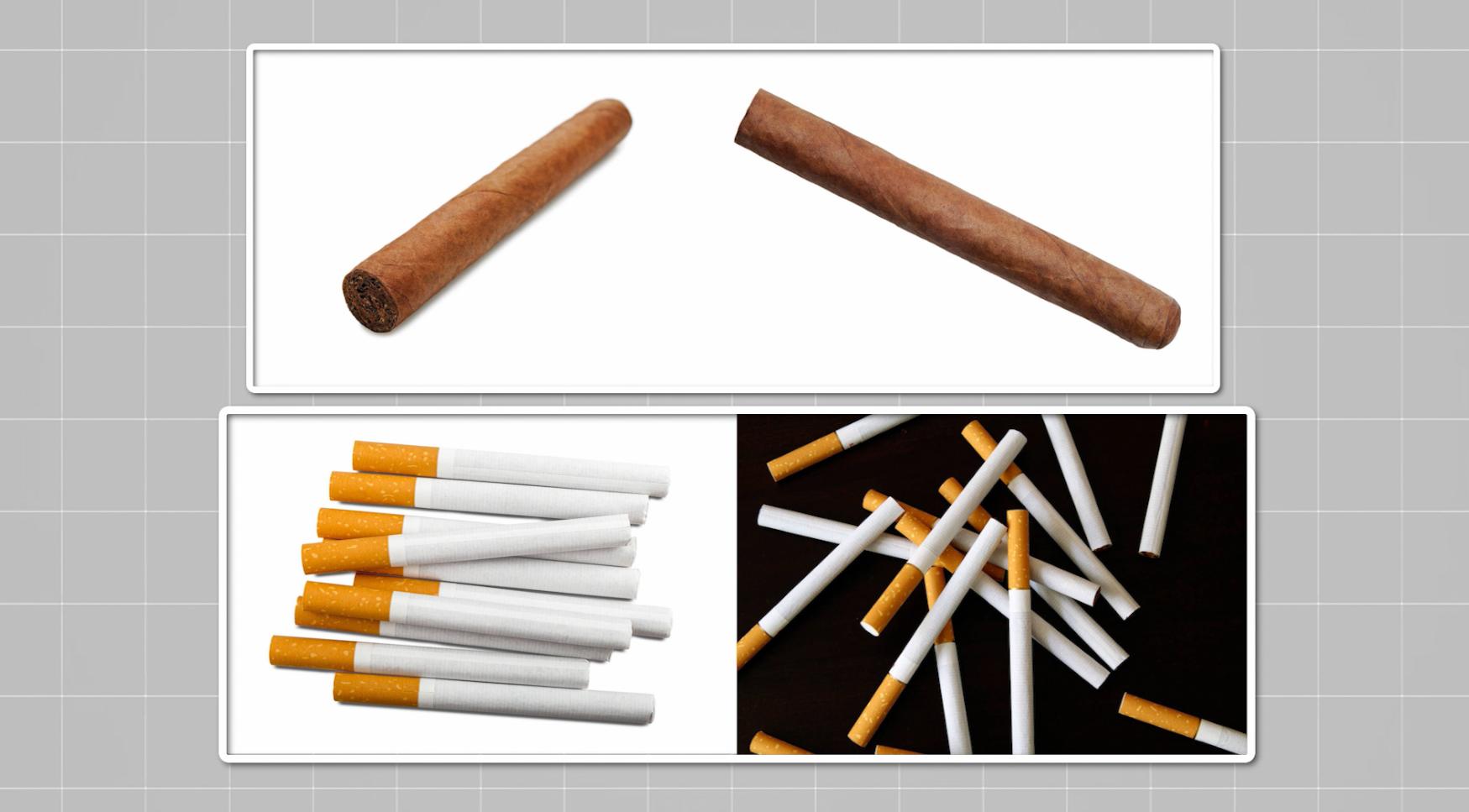
Cigarillos are very small cigars, typically no longer than 3–4 inches long, with a slender build similar to, or slightly thicker than, a cigarette. Smoke times usually last no longer than 10–15 minutes, and usually are sold individually as well as in multi-pack tin trays. New cigar smokers will often opt for this vitola first, as it is the least expensive of all cigars, and is not very intimidating in stature. That said, there are some very strong cigarillos out there, so don't think that because it is small in size that it doesn't have the ability to kick a little ass along the way.
Tobacco Nerd Note: To the untrained eye, the figurado's tapered construction may appear to be done purely for aesthetics, but in actuality it does serve a purpose. A pointed shoulder allows the smoker to benefit from a more concentrated draw, an easier cut, and potentially, a different cigar flavor profile as the blend burns. Furthermore, double-figurados (cigars with a tapered foot and head) often benefit from an easier light due to having a slim circumference on the end that gets lit. Oftentimes, you will find double figurados featuring a bulging mid-section, which creates a flavor-rich transitional stage right in the center of the cigar.
By Wrapper Type

The wrapper is the outermost leaf on a cigar, and it plays a significant role in shaping the blend's overall flavor profile, often contributing between 60-80% to the detectable tastes and smells within the smoke being produced.
All told, there are six primary categories that the wrapper on a cigar can fall under. While not always utilized when marketing a blend, the following half-dozen wrapper names remain one of the easiest ways to designate different types of cigars. Going from light to dark, these six wrapper designations include: Double Claro/Candela, Claro, Colorado Claro, Colorado, Colorado Maduro, Maduro, and Oscuro.
Natural Wrappers
Ranging anywhere from light green in color to medium-brown and red, the natural wrapper is made from tobacco leaves that receive moderate amounts of direct sunlight and are not fermented for shorter spans of time. Due to the wide range of colors contained within the natural cigar category, it is not always easy to identify them as such. That said, if a cigar blend does not contain the words "maduro" or "oscuro" in its marketing, or within the wrapper leaf's description, chances are it is a natural. Like the many different colors that encompass this broadly categorized cigar type, the flavor profiles from a natural wrapper vary immensely, ranging from buttery and bread-like to spicy and citrusy, and onward to creamy, nutty, and malty.
Maduro Wrappers
Dark and sometimes extremely oily in appearance, maduro cigars have wrappers typically are sun-grown tobacco strains that are fermented for far longer than their natural cousins. While not always stronger, maduro wrappers do tend to be more full-flavored, with notes of chocolate, coffee, and molasses making them a top option for those seeking a complex, sweet smoking experience. Unlike natural blends, which rarely are marketed as such, these darker cigars tend to get promoted with their wrapper leaf's complexion right at the forefront and the words "maduro" or "oscuro" sitting somewhere alongside the product name.
Tobacco Nerd Note: Oscuro cigars are darker, more heavily fermented maduros. This causes them to have the darkest wrappers on the shelf, causing them to be referred to as a "double maduro" by certain smokers. To withstand such extreme temperatures and prolonged fermentation times, these types of wrapper leaves must be incredibly resilient and nutrient-rich; ergo, they are always of a potent sun-grown variety.
By Wrapper Seed Strain

Another way to identify a cigar is by the seed strain that the wrapper leaf hails from, or the nickname that it has been bestowed. While there are countless hybridized seed strains and obscure options out there, the following wrapper leaf styles tend to be the most commonly encountered.
Sumatran
Born and bred in Indonesia, but now commonly grown in Ecuador, the Sumatran wrapper has been a top option for American tobacco enthusiasts since the 1700s. Reddish-brown in color and often oozing with oil, this type of wrapper provides a rich, slightly spicy, and earthy taste that is commonly backed by a fair deal of sweetness. A good wrapper choice for those who enjoy medium-powered cigars and are in search of a complex, exotic series of flavors.
Broadleaf
Known for its squat, sun-grown stature and broad, leathery leaves, this type of tobacco was first cultivated in Connecticut, but now thrives in many of the top tobacco-producing regions around the world. Highly revered for its resilient nature and intense maduro cigar flavor profiles, especially when utilized as a wrapper, Broadleaf has become the preferred wrapper leaf of millions of strong cigar smokers. Often known for producing leathery, oily flavors, as well as earthy undertones, along with chocolate, coffee, and dank soil.
Cameroon
A delicate tobacco strain named after the African country from which it hails. Primarily used as a wrapper, this varietal fell into favor during the cigar boom of the 1990s, with its subtle spice notes, herbal tea tastes, and distinctly nutty characteristics providing mild-to-medium smoking pleasure to the masses.
Corojo
This former staple in Cuban cigars was eventually phased out for more disease-resistant seed strains. However, Corojo tobacco has long seen success in growing environments like Honduras, Nicaragua, Ecuador, and the Dominican Republic. Spicy, citrusy, black tea-like, and sweet at times, this reddish tobacco leaf remains one of the best-selling tobacco strains on the market, as it can be used in any section of the cigar.
Criollo
Another retired Cuban-seed strain that has gone on to be hybridized and cross-bred in other countries, this varietal sits somewhere between earthy and spicy, as well as herbal and fruity. Usage in any section of the cigar is possible, with shade-grown versions being reserved for wrapper usage.
Connecticut Shade
Often light tan to khaki in color, and quite supple in nature, Connecticut Shade wrappers live up to their name by only being grown in shaded conditions. This allows them to achieve a delicate texture and a creamier, milder cigar flavor profile. Smooth and velvety, a good Connecticut Shade smoke will oftentimes be described as creamy or buttery, with hints of wood, honey, graham cracker, and tree nuts being the most common descriptors.
Double Claro/Candela
The lightest of the lot, this varietal is often fermented for the shortest period of time, which often results in a greenish hue due to the chlorophyll still being intact. Grassy and green tea tasting, with a milky nuttiness underneath and a moderate sweetness to balance out any bitterness, this kind of tobacco is used almost exclusively as wrappers and is extremely delicate.
Habano
Widely recognized as the bread-and-butter of the cigar world, habano tobacco is equal parts versatile and ever-evolving. Depending upon the seed strain and fermentation times, both natural and maduro wrappers are possible with this one, so flavor profiles span the gamut. Habano tobacco also makes for an excellent long-filler option, as well as a binder as needed.
Mata Fina
Brazil's unofficial tobacco strain of choice, this oily, rainforest-influenced strain is just as earthy as it is nutty. Tough in nature, and typically a bit on the dark and veiny side, one can expect notes of molasses, dessert baking spices, leather, and dark chocolate when Mata Fina is used as a wrapper. Recently, cigar makers have begun using this tobacco as a binder and filler option, and not just as a wrapper.
Oscuro
The darkest of the lot, Oscuro tobacco isn't categorized by just one seed strain, even though Habano leaf does remain a crowd favorite. Black licorice, caramelized brown sugar, dank terroir, malty beer, and bittersweet chocolate are all common cigar flavor profiles associated with this type of tobacco when it is used as a wrapper.
San Andrés
Available in both maduro and natural versions, this Mexican crop gets its name from the volcanic soils within the region where it grows best. Due to its broad versatility, San Andrés tobacco varies greatly in flavor and intensity, making it a favorite option for cigar makers looking to blend up something different. That said, this is a strain that favors earthy and nutty notes over fruity or citrus-strong tastes, and is not commonly known for being overtly spicy when used as a wrapper.
By Flavor, Availability, Price & Origin

Flavor
Tobacco grown in different regions of the world can have unique characteristics based purely upon variations in soil, climate, and farming techniques. While seed strains and both farming and fermentation techniques do influence flavor, regional growing conditions directly affect the complexity and intensity of a cigar flavor profile more than one might expect.
Availability
Tobacco from specific regions is often limited by climate, political factors, and production scale. For example, in America, Cuban cigars are restricted due to trade embargoes, affecting their global availability. Regions with smaller production capacities or shorter growing seasons may produce less tobacco, therefore making cigars from these areas harder to find and/or more expensive.
Price
The rarity and reputation of a cigar can often influence its overall value or cost. Simply put, limited-run premium cigars that utilize heavily aged tobaccos will always remain in high demand. Due to the labor-intensive processes that go into producing these types of cigars, they almost always command a higher price point.
Origin
The national origin of a certain tobacco seed strain used to create the wrapper, for instance, can also be helpful in identifying a premium cigar blend. Blends that lean heavily on tobacco pulled from the following countries contain cigar flavor profiles featuring the following characteristics:
- Cuban Cigars: Renowned for their earthy, sweet, creamy, and occasionally grassy flavors. Long considered the gold standard for cigars, Cuban blends have become exceedingly expensive and harder to obtain in recent years due to political factors and poor crop yields.
- Dominican Cigars: Known for their Cuban-esque cigar flavor profiles, blends from this country have long been revered as close to the original as it gets, hence their surge in popularity over the course of the past 50+ years.
- Nicaraguan Cigars: Bolder, richer, sweeter, and oftentimes a bit spicier and more robust, Nicaraguan tobacco-heavy cigars have grown in popularity to the point where they are now the most imported premium cigar in North America.
- Honduran Cigars: Typically a tad more earthy than cigars from other countries and sometimes peppery. Honduran-heavy smokes often offer a bold smoking experience similar to that of Nicaraguan cigars, but with distinct regional nuances.
By Tobacco Blend

A cigar has three main parts: A wrapper, a binder, and a filler mixture. These components can help designate a blend as being either a "puro" cigar, where tobacco is only harvested from a single country, or as a mix-and-matched multi-national smoke.
Puros: Single-Origin Cigars
Single-origin cigars, or puros as they are more commonly called, are made entirely from tobacco grown in a single country or region, resulting in a more focused and consistent flavor profile that reflects the unique terroir of that area. These cigars typically highlight the specific characteristics of the region’s soil, climate, and cultivation techniques, offering a pure expression of the tobacco’s inherent flavor—whether it’s the earthy richness of Cuba or the spicy robustness of Nicaragua.
Multi-National Blends
Multi-national blends combine tobacco from different countries, allowing master blenders to craft complex, layered smoking experiences that balance distinct regional flavors. For instance, a cigar with a Connecticut wrapper, a Brazilian binder, and filler leaves from Nicaragua, Peru, and Ecuador can create an extremely dynamic cigar flavor profile that a Dominican puro simply cannot replicate.
By Production Method

For premium cigar enthusiasts, handmade is the only way. However, mass-produced, machine-made short-filler cigars remain incredibly popular, so knowing the difference between the two is paramount.
Hand-Rolled Cigars
Hand-rolled cigars are crafted by skilled artisans who sort, roll, and wrap the tobacco leaves by hand. The result is superior construction, better flavor, and a more consistent burn. Prized for their craftsmanship and the slow, careful process that goes into their production, hand-rolled cigars are indeed a premium product, as they provide a more complex and enjoyable smoking experience.
Machine-Made Cigars
As the name implies, this automated production method allows machinery to chop, bunch, and fill the cigar wrapper with tobacco. These cigars typically use chopped, short-filler tobacco and can be bound by homogenized wrappers that are partially paper. While less expensive and more widely available, machine-made cigars generally offer a simpler flavor profile and are often less refined than their hand-rolled counterparts. That said, their consistency, affordability, and availability make this type of cigar exceedingly popular with casual cigar smokers and beginners.
Choosing the Right Cigar

Learning what type of cigar(s) you prefer is one of the many enjoyments of exploring new blends, tobacco vintages, and brands. Luckily for you, options are virtually endless. But they also can present a problem: Buyer confusion.
As you smoke, take note of the different origins, blends, sizes, and types of cigars that suit your fancy, as well as those that didn't sit right on the palate or performed poorly. For example, you may want to explore a particular flavor, like chocolate, which might lead you to experiment with all sorts of different maduro smokes or even infused cigar blends. If you find that certain maduro wrappers provide that chocolaty goodness you crave, then maybe it's time to sample an oscuro cigar for a change, or try a corojo maduro blend on for size. It’s all a matter of personal preference, exploration, and palate evolution, so don't be timid and smoke around a bit.
Additionally, there’s the whole act of pairing cigars and alcohol, which brings the entire experience to a whole other level. Non-alcoholic pairings can also be quite enjoyable, with coffee, herb tea, and craft sodas being some of the top options.
Trends and Innovations

In recent years, the cigar industry has seen an influx of new boutique brands and innovative blending techniques. While many legacy brands also experiment with tobacco sourced from lesser-known regions or utilize rare seed strains, the goal remains the same: Make a cigar that is downright delicious and box-worthy.
Many of these blends focus on small-batch production, using rare, ultra-aged, or uniquely fermented tobaccos to craft unique flavor profiles, with the goal of appealing to seasoned smokers seeking fresh experiences. While it may not always work as planned, the diverse flavor combinations and novel smoking experiences that cigar manufacturers are coming out with nowadays are downright mind-boggling.
This is but one of the many reasons why we here at Klaro encourage smokers to explore as much as possible. By sampling both the better-known blends that have made the world's top legacy cigar makers a success, and testing out experimental short-run smokes from boutique brands, cigar smokers can enjoy the best of both worlds.
Parting Puffs

With an ever-growing range of cigar types, sizes, wrappers, and blends hitting the market every time we turn around, today's cigar enthusiast has a bottomless number of options to explore. Whether you prefer classic, single-origin puros that highlight the unique attributes of a particular growing region, or multi-national blends filled with the flavors of the world, there is a cigar for every taste and preference.
So as you continue to explore, don't forget to take note of what your favorites have been and why. Then, go out and experiment with some unfamiliar brands or unique blends, because it is only going to further enhance your smoking knowledge and enjoyment. That is why we believe that confidently reaching for the right cigar at the right occasion is just as much of a personal journey as it is a confidence-booster. A cigar can tell a lot about a person, they say. What is your next blend going to say about you?